

Sesame in Ayurveda: The Ancient Seed That Nourishes Skin, Hair and Body

Part of the OmVeda Botanical Library, this article introduces sesame (Sesamum indicum), one of Ayurveda's most important botanicals, exploring its history, traditional uses and enduring role in Ayurvedic skincare, hair care and daily ritual.
Botanical Profile | Sesame
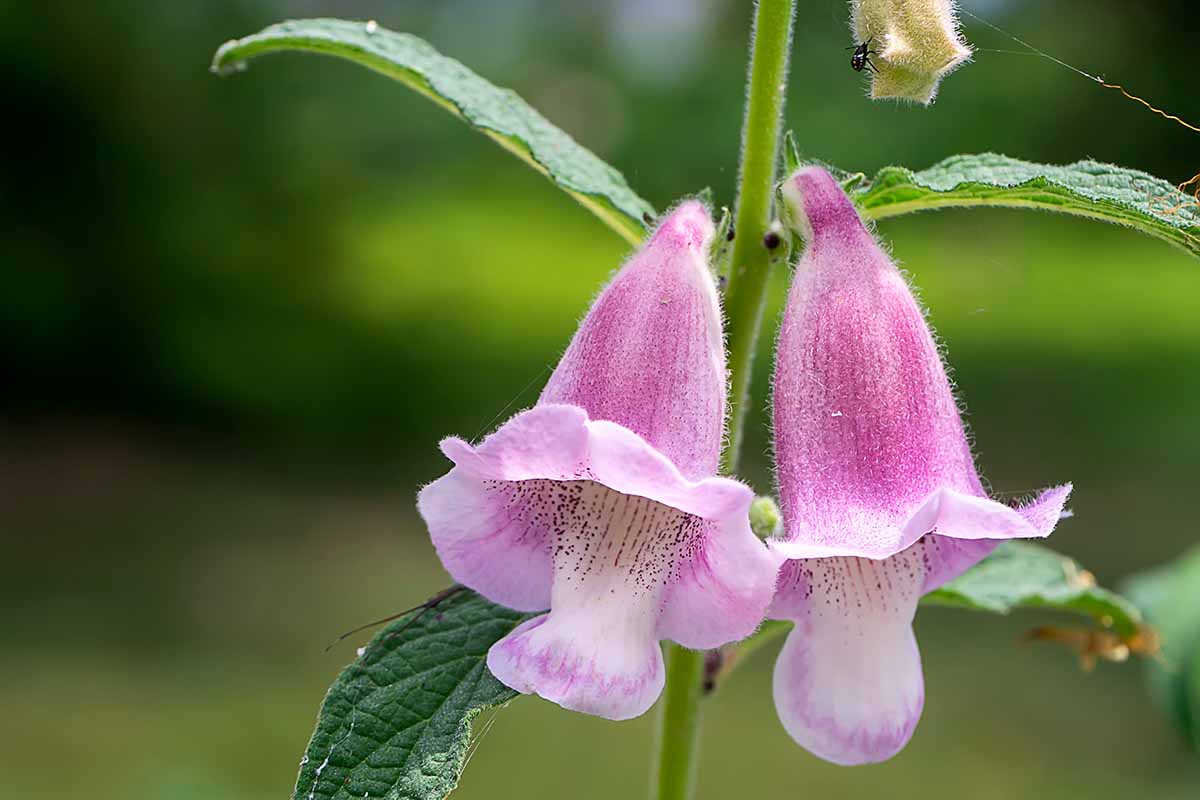
Long before it became a nourishing oil or a familiar pantry ingredient, sesame was a flowering plant thriving in warm, sunlit landscapes. Sesame is an annual herb belonging to the Pedaliaceae family, cultivated for thousands of years for its nutrient-rich seeds and the remarkable oil they produce.
Growing to around one to one-and-a-half metres in height, the plant produces elegant tubular flowers in shades of white, pale pink or soft lavender. These delicate blooms are followed by elongated seed capsules which, once mature, naturally split open to release the tiny seeds inside.
Although many people think of sesame as a single ingredient, several varieties are grown around the world. White sesame is the most widely cultivated and is commonly used to produce sesame oil for culinary and cosmetic applications because of its mild flavour and light-coloured oil. Black sesame has a richer flavour and is particularly valued in East Asian cuisines and traditional practices, while brown and golden sesame varieties retain more of their natural seed coat and are often used whole in breads, cereals and traditional recipes.
Within Ayurveda, however, the focus has traditionally been less on the colour of the seed and more on the exceptional qualities of sesame oil itself. Pressed from the seeds, this naturally stable botanical oil became the preferred foundation for countless herbal preparations, massage oils and daily rituals, earning a place as one of the most respected oils in Ayurvedic tradition.
A Seed With Thousands of Years of History
Sesame (Sesamum indicum) is one of the oldest cultivated oilseed crops in the world, with archaeological evidence suggesting it has been grown for more than 5,000 years. Believed to have originated in the Indian subcontinent and parts of Africa, sesame spread along ancient trade routes into Mesopotamia, Egypt, Persia and eventually throughout Asia, Europe and beyond.
Its ability to thrive in hot, dry climates and produce a naturally stable, nutrient-rich oil made sesame highly prized by early civilisations. Long before modern preservation methods, its resistance to oxidation allowed the oil to be stored and transported more successfully than many other plant oils.
While many cultures valued sesame as a food, Ayurveda recognised qualities that would see it become one of its most important botanical oils, forming the foundation of daily rituals for skin, hair and body care.
Across India, sesame became woven into everyday life. It appeared in traditional foods, ceremonial offerings and seasonal festivals, while the oil found its place in cooking, massage, hair care and herbal preparations. This close relationship between nourishment, ritual and daily living would later become one of the defining characteristics of Ayurveda.
More Than Just an Ingredient
Sesame is one of the earliest botanicals described in the classical texts of Ayurveda. Known as tila in Sanskrit, it is referenced throughout works including the Charaka Samhita and Sushruta Samhita, where it is praised as both a nourishing food and the preferred base for many medicinal oils (taila). Many of the qualities recognised in these ancient texts continue to be valued in modern cosmetic science today.
One reason for sesame's enduring importance is its remarkable stability. Unlike many plant oils, sesame naturally contains antioxidant compounds such as sesamol, sesamin and sesamolin, which help protect the oil from oxidation and contribute to its unusually long shelf life. This natural resistance to becoming rancid made sesame an ideal choice in a time long before refrigeration or modern preservation techniques.
Within Ayurveda, however, sesame became much more than a practical oil. It was considered the ideal base for herbal infusions, allowing the qualities of other botanicals to be incorporated into traditional formulations. Over centuries it became the foundation of countless preparations for skin, hair and body care, from daily self-massage oils to complex herbal formulations that remain part of Ayurvedic practice today.
Ayurveda described sesame according to its natural qualities, known as gunas, and it was this unique combination that helped establish it as one of its most valued botanical oils. We'll explore these qualities in greater depth later in this series.
An Enduring Botanical
Few botanicals have remained as consistently valued as sesame. From ancient fields and classical Ayurvedic texts to modern cosmetic laboratories and professional skincare formulations, sesame has earned its place through remarkable versatility, stability and centuries of thoughtful use.
Today, sesame oil continues to be valued in Ayurvedic skincare, Ayurvedic hair care and body care, where it remains one of the world's most respected botanical oils. While cosmetic science continues to explore its unique composition, Ayurveda recognised many of its defining qualities thousands of years ago, establishing sesame as one of its most enduring botanical ingredients.
As the OmVeda Botanical Library continues to grow, we'll explore the science, history and traditional wisdom behind sesame and the many other botanicals that have shaped Ayurvedic beauty for thousands of years.
References
- Bedigian, D. (2011). Sesame: The Genus Sesamum. CRC Press.
- Kew Science. Plants of the World Online – Sesamum indicum.
https://powo.science.kew.org/ - Sharma, R.K. & Dash, B. (Trans.). Charaka Samhita. Chowkhamba Sanskrit Series Office.
- Bhishagratna, K.K. (Trans.). Sushruta Samhita. Chowkhamba Sanskrit Series Office.